- Category: Blog
- Read Time: 6 mins
PVC Insulated Heater Wire, with its versatility and reliability, finds a wide range of uses and applications in both domestic and commercial settings. Some of the most common include industrial heating systems, domestic heating appliances, and HVAC Industry.
Common Applications
Industrial Heating Systems
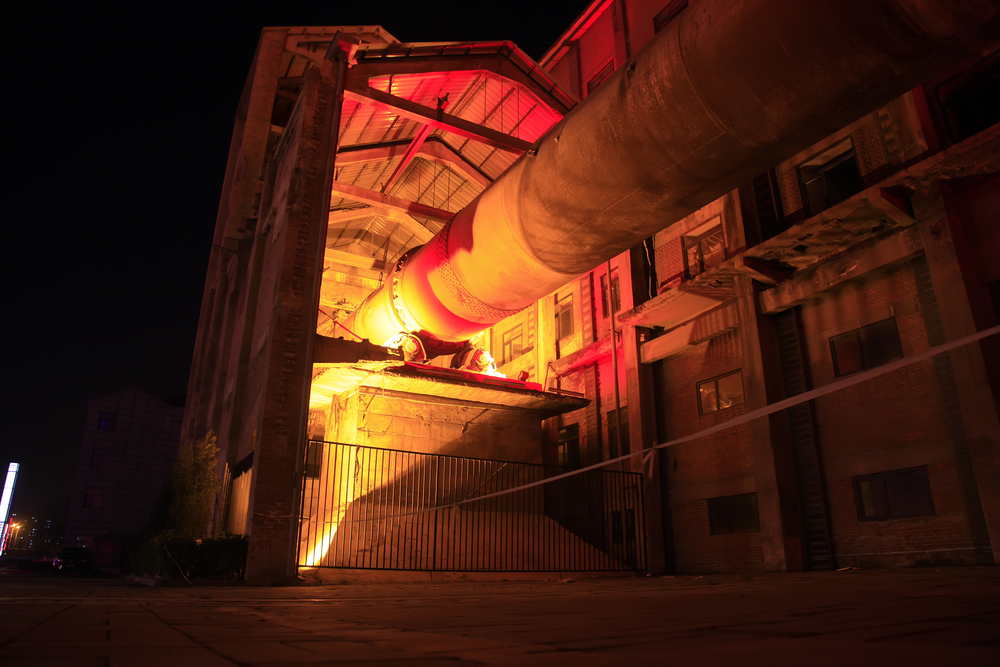
Industrial heating systems use PVC insulated heater wire for a variety of uses, but are commonly used in pipe heating, tank heating, and heat tracing for maintaining the desired temperature in industrial processes. These wires are designed to withstand high temperatures and provide efficient heat transfer.Domestic Heating Appliances
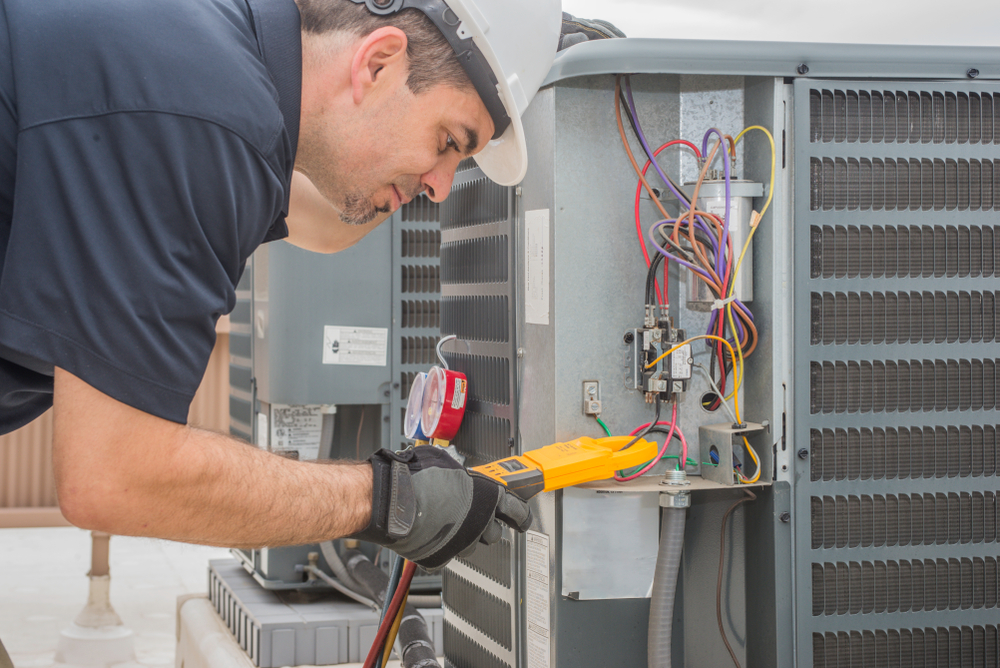
PVC insulated heater wire is widely utilized in a variety of domestic heating appliances. Electric blankets, heating pads, and heated mattress pads all rely on PVC insulated heater wire to generate warmth and provide comfort. The flexible nature of PVC insulation allows for easy integration into these household items. Heating, ventilation, and air conditioning (HVAC) systems often incorporate PVC insulated heater wire for temperature control purposes. They are used in components such as duct heaters, electric baseboard heaters, and radiant heating systems to ensure efficient heat distribution and maintain comfortable indoor environments.Commercial Appliances
Other uses include commercial appliances and freeze protection. Commercial appliances such as food warmers, coffee warmers, fryers, and industrial ovens all use PVC insulated heater wire to provide reliable and efficient heating. Freeze protection in pipes, tanks, and valves in cold climates or areas prone to freezing are also common by using heat generated by the wire to prevent water from freezing.Refrigeration Systems
Finally, PVC insulated heater wire plays a crucial role in preventing condensation and maintaining optimal temperatures in industrial refrigeration systems. They are employed in applications such as refrigerated display cases, walk-in freezers, and cold storage facilities. It is important to note that PVC insulated heater wire should always be used in accordance with manufacturer guidelines and local electrical codes. Proper installation and regular maintenance are essential to ensure optimal performance, safety, and longevity in these diverse applications.Maintenance and Troubleshooting
Proper maintenance of PVC insulated heater wire is essential to ensure its longevity and safe operation. For maintenance and troubleshooting practices, the best thing to start with is regular inspections. Periodic inspections of the wire for signs of wear, damage, or loose connections can ensure the insulation integrity and ensure it is not cracked or frayed. This will keep the wire from developing and issues by preventing further damage or safety hazards. The wire should also be kept clean and free of debris or contaminants that could affect its performance. Further troubleshooting practices can be used if any performance issues arise with the PVC insulated heater wire. First, check for loose connections, damaged insulation, or other potential causes. If necessary, consult with a qualified technician for assistance. It’s also advisable to have professional maintenance scheduled periodically, especially in commercial or high-demand applications. A professional can conduct thorough inspections, perform necessary repairs or replacements, and ensure compliance with safety standards.Safety Considerations
When working with PVC insulated heater wire, safety should be a top priority. Proper installation and usage are essential to ensure the safe operation of the wire. Here are some key safety considerations to keep in mind:- Installation by a Qualified Technician: A qualified technician should handle the installation of PVC insulated heater wire as they have the necessary knowledge and expertise to ensure a safe and reliable installation.
- Follow Manufacturer Guidelines: Always follow manufacturer's guidelines and instructions when installing and using PVC insulated heater wire. These guidelines help to provide important information including wire ratings, maximum temperatures, and other safety-related specifications.
- Local Electrical Codes: Familiarize yourself with the electrical codes and regulations specific to your location. These codes dictate the proper installation practices, grounding requirements, and safety protocols to be followed.
- Insulation Integrity: It is recommended to regularly look over the insulation of the PVC wire for any signs of damage or degradation. Compromised insulation can lead to electrical hazards or malfunctions, therefore, any damaged wire should be replaced.
- Overloading and Overheating: Avoid overloading the wire with excessive wattage or voltage beyond its rated capacity. Overloading can cause the wire to overheat, leading to insulation failure or even electrical fires. Always choose the appropriate wire gauge and rating for your specific application.
Selection Guide
Choosing the right PVC insulated heater wire for your application is crucial for optimal performance and safety. It is important to consider the following during the selection process:- Wattage Requirements: Determine the wattage requirements of your heating system or device. This information will help you choose a wire with the appropriate resistance and power handling capacity.
- Voltage Rating: The voltage levels of your application should be considered. Make sure the PVC insulated heater wire chosen can handle the specific voltage rating without the risk of electrical breakdown or insulation failure.
- Wire Gauge: The wire gauge is recommended to be chosen that can accommodate the electrical load while minimizing the voltage drop and excessive heating. A wire gauge chart or seeking out a professional is recommended to choose the correct gauge for the application.
- Temperature Limits: Take into account the maximum temperatures the PVC insulated heater wire will be exposed to. Ensure that the wire's temperature rating is suitable for the intended application to prevent overheating or insulation melting.
- Certification and Compliance: Look for PVC insulated heater wire that complies with industry standards and certifications. These certifications make sure that the wire meets safety and performance standards.